Democrats’ congressional win could strengthen Ukraine’s hand against Russia
 08 November 2026
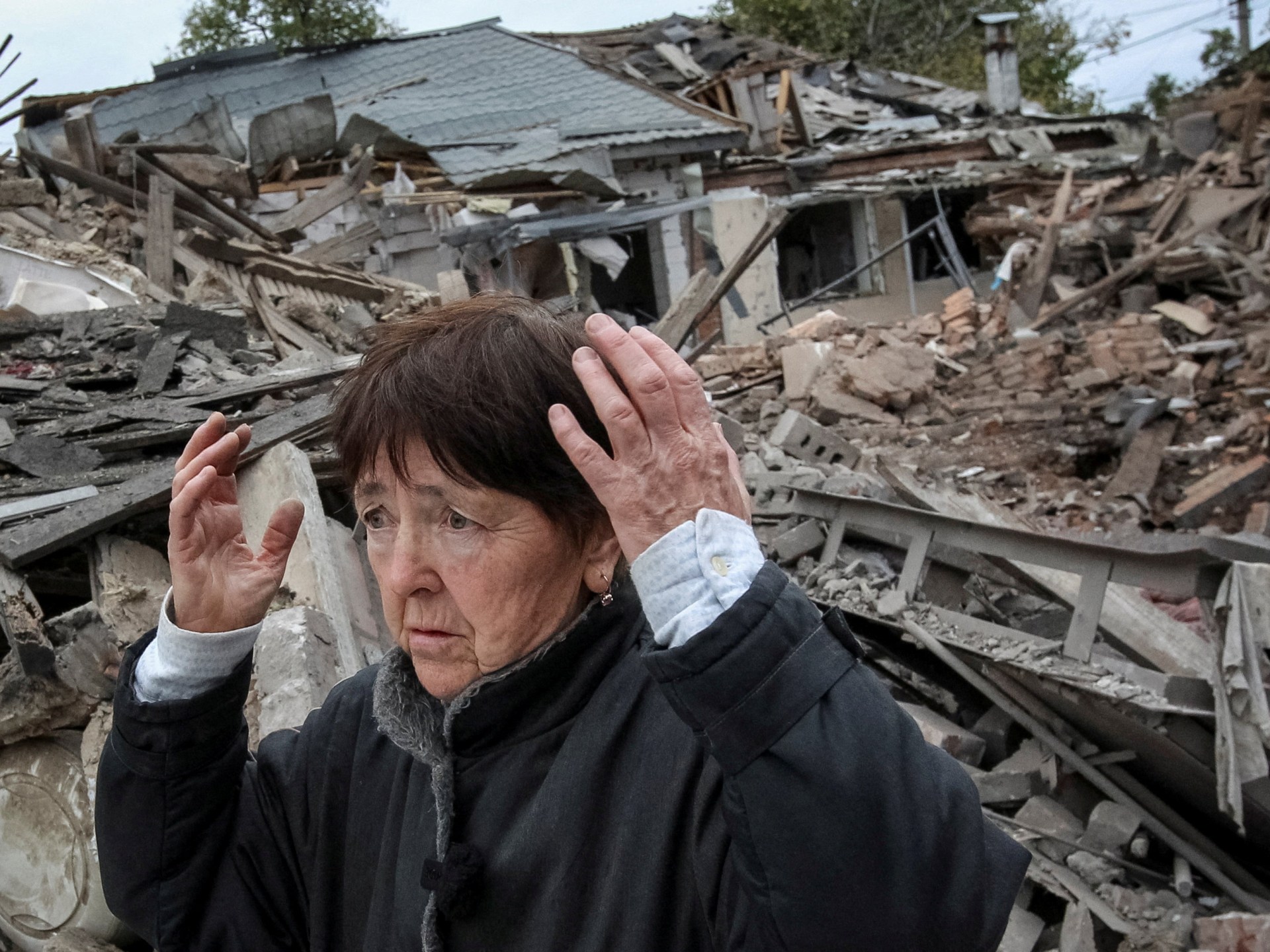

Kyiv, Ukraine – Kyrylo, a wounded drone technician from eastern Ukraine, does not care much about the results of midterm elections in the United States.
Tuesday’s vote brought on a “blue wave” of victories for the Democratic Party, which will control both houses in the new Congress and provide a check on President Donald Trump.
- list 1 of 4Ukraine raises Zaporizhia aid strike death toll to at least 50
- list 2 of 4Zelenskyy accuses Russia of escalating strikes ahead of peace talks
- list 3 of 4‘They started bombing us with drones’: Russian attacks unnerve Zaporizhzhia
- list 4 of 4Ukraine’s Zaporizhzhia faces threat as Russian drones close in
end of list
But it means little to the Ukrainian servicemen.
“We already learned how not to depend on America,” said the 37-year-old, who is recovering from a heavy contusion in a Kyiv hospital after a Russian glide bomb hit his bunker.
He asked Al Jazeera to withhold his last name in accordance with wartime protocol.
“Trump has let us down so many times, sold us to Russia and we’re still standing and kicking Russian [butt],” he said. “We no longer depend on American money and weaponry. The whole world wants to buy our drones now.”

Under Trump, Washington gradually stopped footing much of Ukraine’s wartime bills. While the amount of financial and military aid nearly reached $200bn from Russia’s 2022 full-scale invasion to late 2024, since 2025, the US assistance has slowed to a trickle.
From October 2025 to March, Kyiv received a mere $8.2bn in military aid as part of “legacy pipelines” dating back to US President Joe Biden’s administration. The deals will have cost another $13bn when the supplies are over.
Even though Europe took over most of the financial weight, coughing up $83bn in 2025 alone, almost a third of all weaponry comes from US companies, according to the Kiel Institute, a German think tank.
Advertisement
Some aid may be restored, and the Democrats have pledged to scrutinise Trump’s ties to Russia and conduct sweeping investigations focused on alleged corruption within the Trump family.
The investigations will include their ties to Russian politicians, intelligence and oligarchs, such as Umar Kremlev, who reportedly paid hundreds of thousands of dollars for Donald Trump Jr’s wedding celebrations in the Bahamas in May.
The Democrats have already signalled their readiness to issue subpoenas and force the disclosure of executive branch records, including the ones related to Ukraine, once they take control of Congress on January 3.
“Ukraine’s positions may become stronger,” Volodymyr Fesenko, head of the Kyiv-based Penta think tank, told Al Jazeera. “But we need to keep bipartisan support.”
Ukrainian President Volodymyr Zelenskyy said of the midterm results, “We have bipartisan support.” He said he was “thankful to the Republicans, but Democrats very clearly state their support of Ukraine and providing aid to it.”
But getting more backing from the US Congress is not going to be easy as several Republicans who supported Ukraine have lost their seats.
The “blue wave” unseated Brian Fitzpatrick of Pennsylvania, who cochaired the Congressional Ukraine Caucus and was one of Kyiv’s staunchest supporters.
Other notable pro-Ukrainian Republicans are Don Bacon of Nebraska, a self-described “Reaganite” staunchly opposed to Russia, and Mike Lawler of New York, who voted for the Ukraine Support Act.
At the same time, Kyiv needs to appoint a new ambassador to Washington. Olha Stefanishyna, a former deputy prime minister, was fired in August during a probe into her “illegal enrichment”.

The ambassador works with Congress and organises contacts with Kyiv and trips by lawmakers to Ukraine.
“That’s why first of all a new ambassador has to be appointed,” Fesenko said.
And while some supporters of the Democrats urge their party to impeach Trump, Kyiv would be on the losing side, analysts said.
“God forbid if Ukraine becomes the focus of a [third] impeachment because of the negative experience during Trump’s first presidency,” Fesenko said. “It made Trump form a stable negative attitude towards Ukraine.”
Trump’s first impeachment in 2019 concerned accusations that he pressured Kyiv to investigate Biden and Biden’s son Hunter, who had been on the board of Burisma, a Ukrainian natural gas company implicated in corruption schemes.
Advertisement
The Democrats said Trump froze $390m in military aid to Ukraine as leverage at a time when Kyiv badly needed US arms to continue fighting Russia-backed separatists.
Now, before the new Congress takes office, Trump is likely to pressure Ukraine to accept a fast-tracked peace deal with Russia.
“Because when Russia isn’t willing to concede, the fastest way to solve the matter – either through a truce or through freezing the war – is only possible if [Trump] twists Kyiv’s arms,” Kyiv-based analyst Igar Tyshkevych told Al Jazeera.
“That’s why the next two months will be rather complicated for Ukraine,” he said.
Because Trump at the moment has Republican majorities in both houses, he will “try to show the effectiveness of his policies to decrease the possible level of confrontation with the new Congress”, Tyshkevych said.
The new Congress will have to deal with a dilemma rooted in allegations of corruption involving top Ukrainian officials and their purported embezzlement of US aid.
“On the one hand, there’s a political conviction to keep supporting Ukraine and on the other hand the political necessity to put an end to questions, suspicions and accusations of Ukrainian leaders in corruption,” he said.
Pro-Kremlin voices are already counting Moscow’s possible losses.
“The Democrats will double down on their efforts to prevent Trump from establishing a dialogue with Moscow, demand the resumption of direct US military aid to Kyiv, insist on the restoration of transatlantic unity on the Ukrainian issue and propose new sanctions against Russia and its main trading partners,” Moscow-based political analyst Andrey Kortunov wrote in an opinion piece for the Kommersant daily.
The Democrats “will initiate investigations into how he negotiates with us”, Moscow-based analyst Malek Dudakov told the Gazeta.ru daily.
The Russian Ministry of Foreign Affairs dismissed the concerns, saying Moscow’s foreign policies “don’t depend on the fluctuations of the political barometer in other nations”.
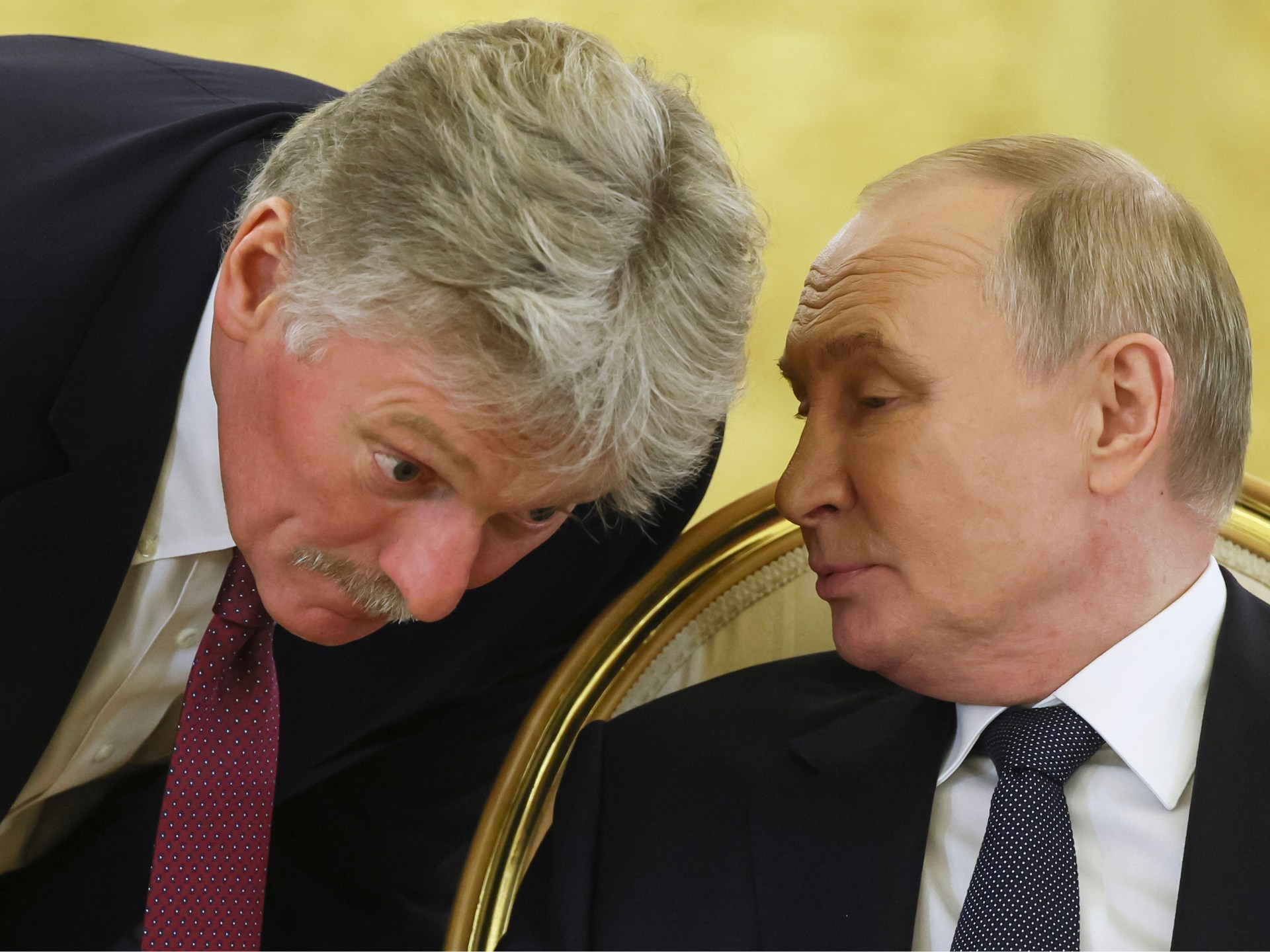
Kremlin spokesman Dmitry Peskov, meanwhile, spoke in flattering terms, saying, “President Trump continues to exercise his powers. We sincerely hope that he will continue his peacemaking efforts.”
Related News
Malaysian king warns against defying house arrest order for ex-PM Najib

Southern California wildfire engulfs homes, prompts evacuation orders

‘I am still traumatised’: French police accused of brutalising minors