
Iran warns of expanded retaliation as Israel reportedly readies to attack
 11 November 2026
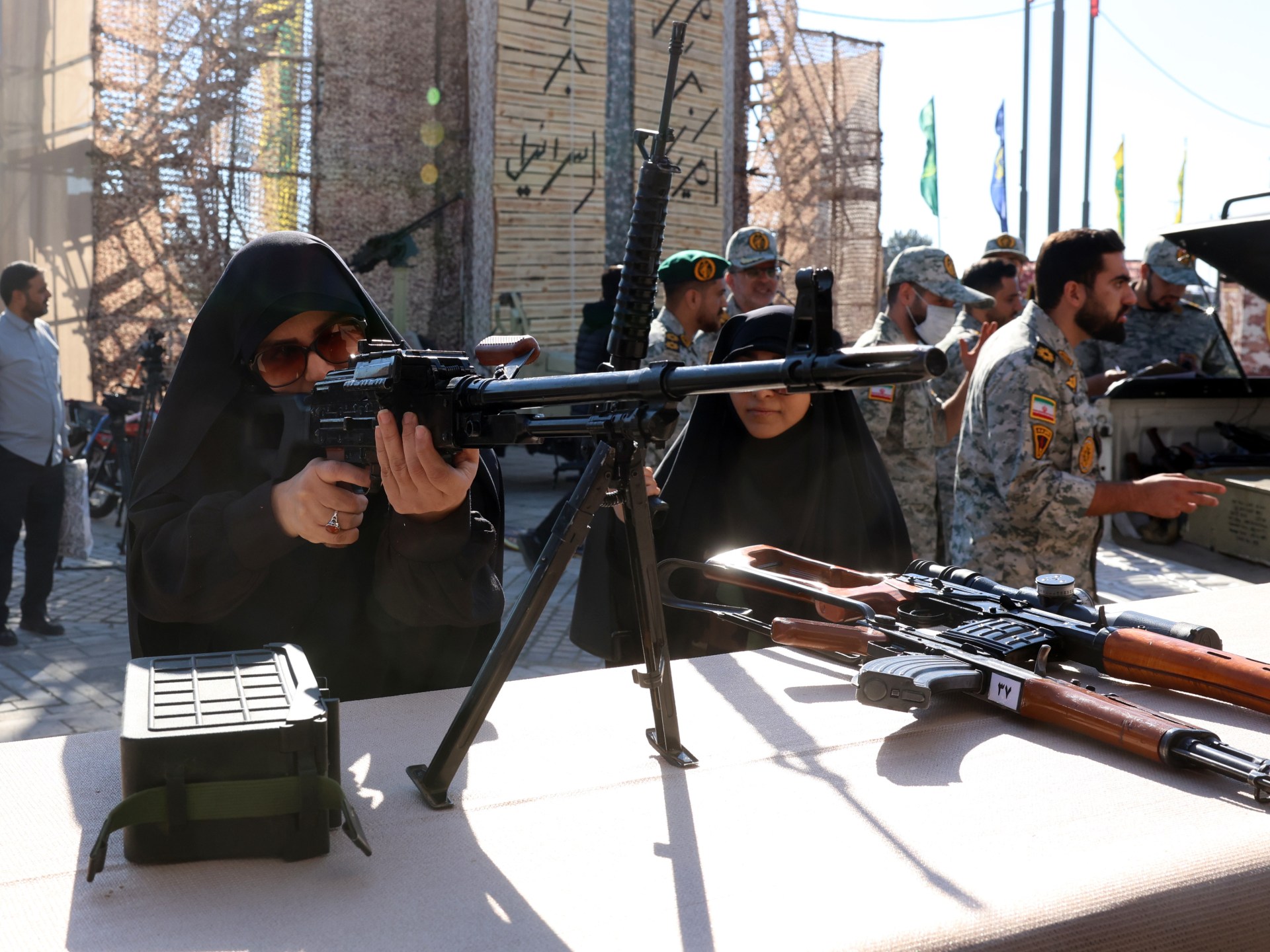

Israel has reportedly ordered its military to step up readiness for possible strikes on Iran as Tehran warned it would expand the war beyond the region if attacked.
Israel’s security cabinet, chaired by Prime Minister Benjamin Netanyahu, has ordered the military to step up preparations for an attack on Iran, Israeli media reported on Wednesday evening.
- list 1 of 3Is Washington rethinking its relationship with Israel?
- list 2 of 3Iran denies talks with US, says Hormuz will stay shut until demands are met
- list 3 of 3Can Tehran survive a ‘zero oil’ budget, if US blockade on Iran persists?
end of list
“The directives issued by the security cabinet to the Israeli military could lead it to carry out activities that could trigger a war,” public broadcaster KAN reported.
KAN said the directives were made public after Israeli opposition leader Gadi Eisenkot issued a statement telling Netanyahu – who is serving as prime minister in a caretaker capacity – not to deploy the military “without a direct and immediate threat” until the next government is formed.
Eisenkot was offered the chance to form a new government by Israeli President Isaac Herzog over the weekend after Netanyahu’s ruling coalition lost its parliamentary majority in the October elections.
Netanyahu, who is on the cusp of losing power if the opposition succeeds in forming a government, has been adamant that the war on Iran will continue until the collapse of the government in Tehran.
‘From West Asia to Europe’
Reports of Israeli preparations to attack Iran come at a time of intense diplomatic efforts to avert further conflict and reach a diplomatic solution.
US President Donald Trump has said that he is prepared to return to waging war if a diplomatic track offered by Qatar fails to facilitate a deal between Washington and Tehran.

Iran’s security chief Mohsen Rezaei said in a social media post, “If the US launches another war against Iran, every military base involved in the aggression, from West Asia to Europe, will be a legitimate target for Iran’s lethal strikes.”
Advertisement
“No safe distance. No safe haven. No immunity,” he added.
Al Jazeera’s Resul Serdar Atas, reporting from Tehran, said the Iranian leadership has been discussing whether or not to appoint the hawkish Rezaei as Iran’s new chief negotiator.
“In Tehran, there have been voices saying that if this status quo goes on for quite a long period of time, Iran will not wait and might take pre-emptive action,” Atas said, adding that the current lead negotiator, Iranian Parliament Speaker Mohammad Bagher Ghalibaf, has commented on Iran’s determination to move beyond this state of “no war, no peace” through “sustainable deterrence” if negotiations fail.
Ghalibaf told Al Jazeera in an exclusive interview published on Wednesday that the Strait of Hormuz will “never return” to its status prior to the US-Israel war on Iran and that “the ball is now in the American court”.
“What stands in the way of an agreement is our lack of trust in the United States,” he said.
‘Position to declare victory’
In Washington, DC, Al Jazeera’s Alan Fisher said Trump is still justifying why he went to war with Iran and saying that it would end soon.
US Secretary of State Marco Rubio has also said the Trump administration’s economic pressure campaign against Iran is proving so effective that a resumption of large-scale military operations is unnecessary.
“Over the last few days, both the president and Marco Rubio have said, effectively, that large-scale military engagement is over. They do not see the need to restart it unless Iran crosses red lines,” Fisher said, adding that the “key issue for this White House is always to be in a position where Trump can declare victory”.
“But it is clear there is some movement behind the scenes as far as negotiating a settlement,” he said.
Despite the push for peace, US forces “continue to work around the clock” in keeping the Strait of Hormuz open for commercial shipping, strictly enforcing the “ironclad” naval blockade against Iran, according to the US Central Command.
Meanwhile, oil prices rose about 1 percent on Wednesday after Tehran rejected a US proposal to transfer its stockpile of 60 percent enriched uranium to a third country.
Brent futures settled $1.27, or 1.39 percent, higher at $92.76, while US West Texas Intermediate crude gained 49 cents, or 0.57 percent, to $86.53.
In the previous session, oil prices had initially fallen by more than $3 a barrel after US officials played down the need for further military strikes against Iran.
Prices later pared some losses when an Iranian official said no talks were taking place between the two sides.
Advertisement
Related News

Ukraine’s Zelenskyy hopes Abu Dhabi talks will open path to Putin meeting
Trump administration sues to block possible Democratic win in Alaska

Russia arrests Japanese reporter for alleged espionage