

British maritime agency reports two incidents near Oman, while Iran says a tanker caught fire due to naval mine.
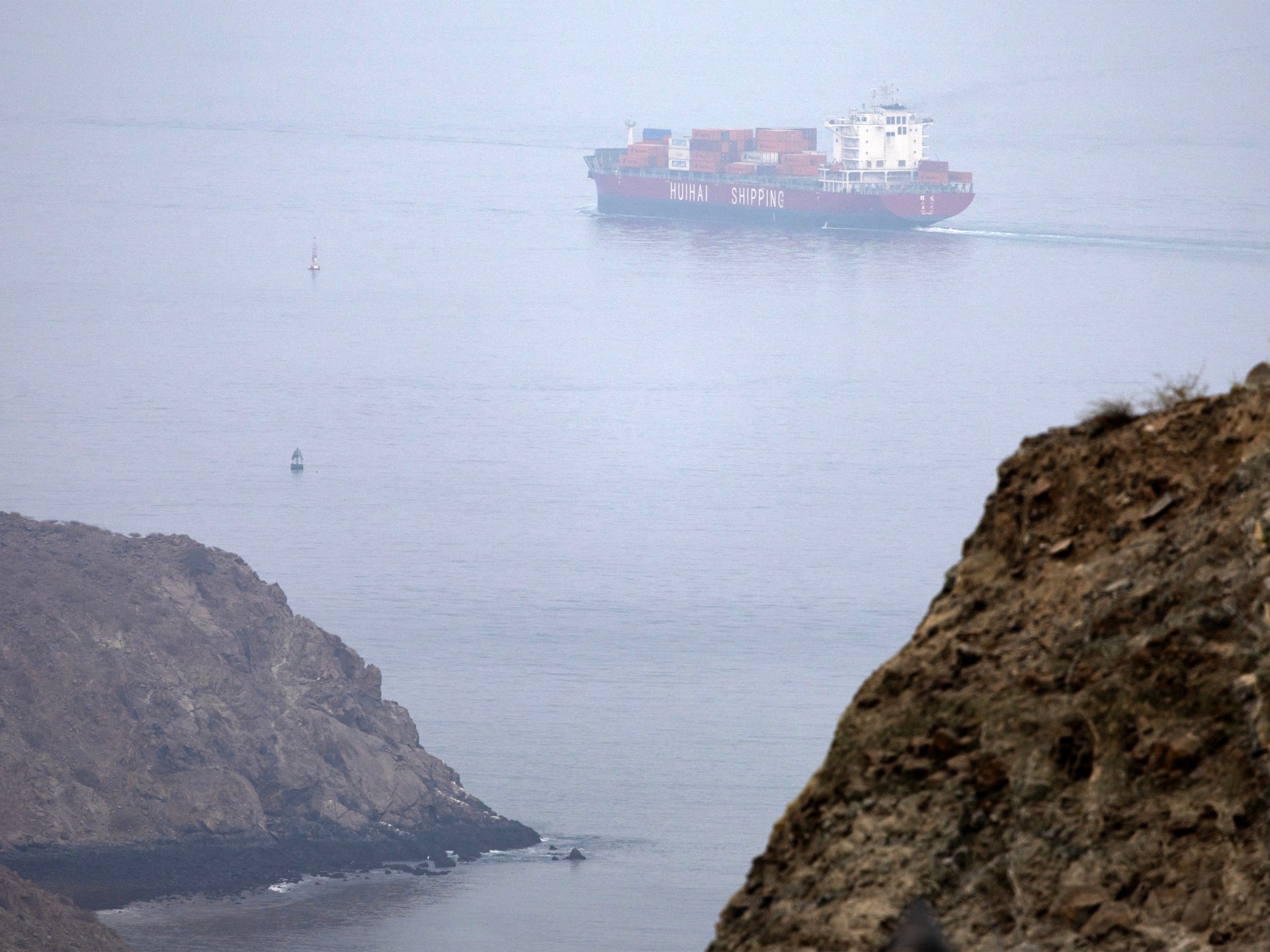
British maritime authorities have reported two incidents involving tankers struck by unidentified projectiles in the Strait of Hormuz, as Iran continues to restrict shipping through the vital waterway.
The incidents were reported on Saturday near Oman, amid a war involving Tehran, Washington and Tel Aviv that began with the United States and Israel attacking Iran in late February.
Recommended Stories
list of 3 items
- list 1 of 3Qatar and Germany deepen strategic ties during emir’s Berlin visit
- list 2 of 3Swimmer braves tanker attacks to expose Hormuz contamination
- list 3 of 3Iran says it downed US drones over Hormuz as bid to end war remains stalled
end of list
Tehran has since sought to tighten its control over the strait, which carried nearly a fifth of the world’s crude oil supplies before the conflict.
The United Kingdom Maritime Trade Operations (UKMTO) centre, a British agency that monitors threats to commercial shipping, said one tanker was hit at its rear about 20km (13 miles) north of Khasab, a port town on Oman’s northern coast.
Another tanker was struck in its engine room about 31km (20 miles) east of Khasab, the agency said.
No casualties were reported, but it remained unclear whether the two incidents involved separate vessels.
Iran’s navy said on Saturday that an oil tanker had caught fire after striking a naval mine in a restricted area east of the strait.
In a statement carried by Iranian state television, the navy accused the vessel of ignoring warnings and travelling with its identification and navigation equipment switched off.
The Iranian account could not be independently verified, and it was unclear whether the burning tanker was involved in either incident reported by UKMTO.
A ‘pattern’
Al Jazeera’s correspondent in Tehran, Resul Serdar, said incidents involving tankers had increased sharply over the past week.
Advertisement
Citing statements issued by Iran’s armed forces, Serdar said about 25 incidents had been reported since the previous Saturday, averaging roughly three a day, a trend he called “quite dramatic”.
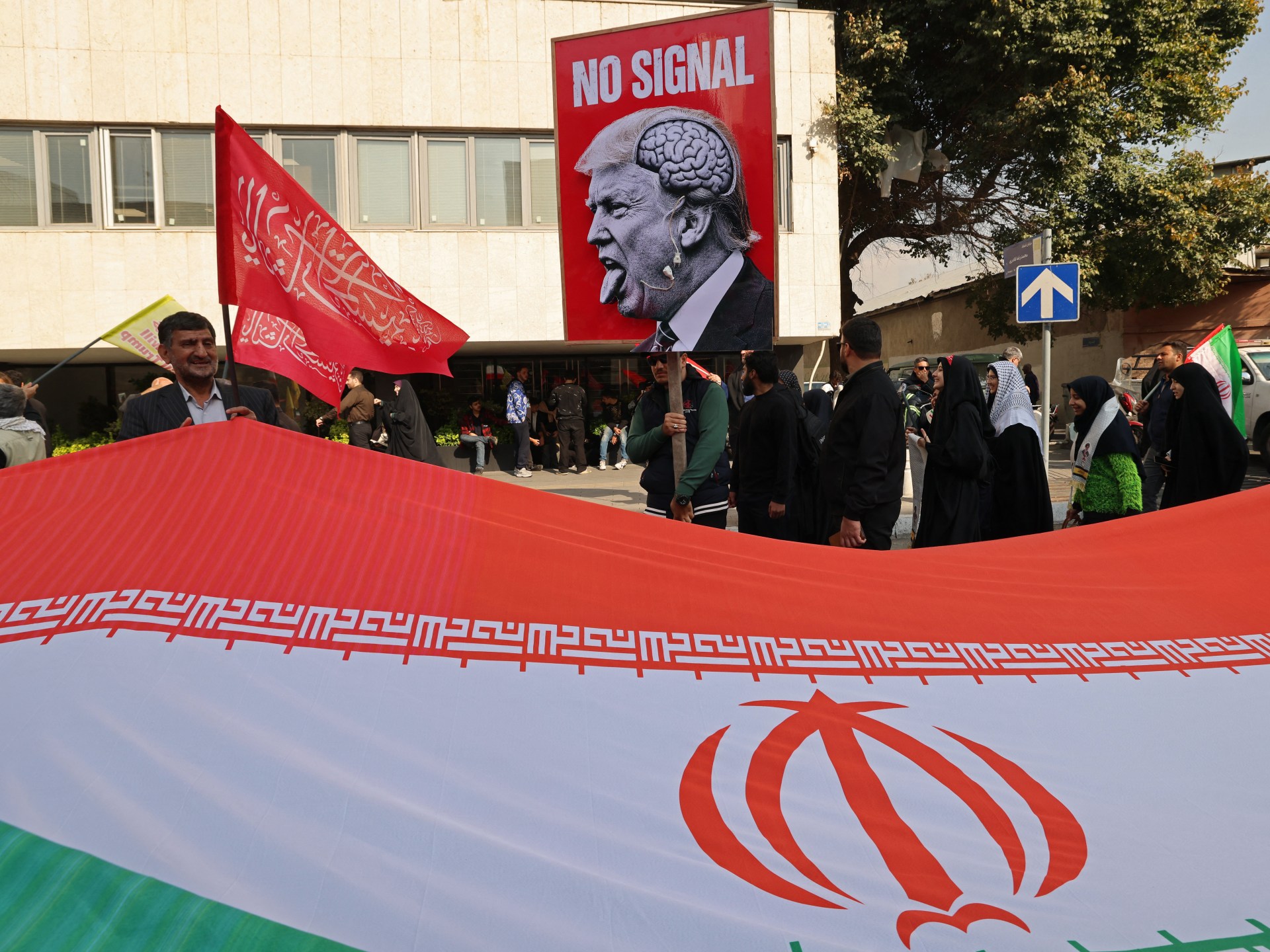
“This is becoming a pattern,” Serdar said, explaining that “Iranians are saying the Strait of Hormuz is under their control; that any ship that is passing through the Strait of Hormuz has to be in full coordination with the Iranian authorities and must follow the roads and the lanes that are determined by Iran.”
If ships do not comply, Iran says “they are either going to be attacked, or they are going to hit the sea mines that are laid by the [Islamic Revolutionary Guard Corps] IRGC or the Iranian forces”, Serdar added.
Our correspondent said Tehran was deliberately escalating tensions to send a message that if Iran could not export its oil, other countries would not be able to do so either.
He said Iran was also seeking to show that it remained in control of the strait, a narrow passage connecting the Gulf with international shipping routes.
The US has responded to Iran’s restrictions by blockading Iranian ports and deploying naval vessels to escort tankers through the waterway.
The confrontation has raised concerns over the security of a major route for global energy supplies, with commercial vessels caught in the struggle between Washington and Tehran over access to the strait.
Related News
Migrant boat capsizes off Senegal, leaving at least one dead

‘My life is buried here’: Iranian man whose 12 family members were killed

‘Rejecting hate’: Abdul El-Sayed wins Senate seat despite racist attacks