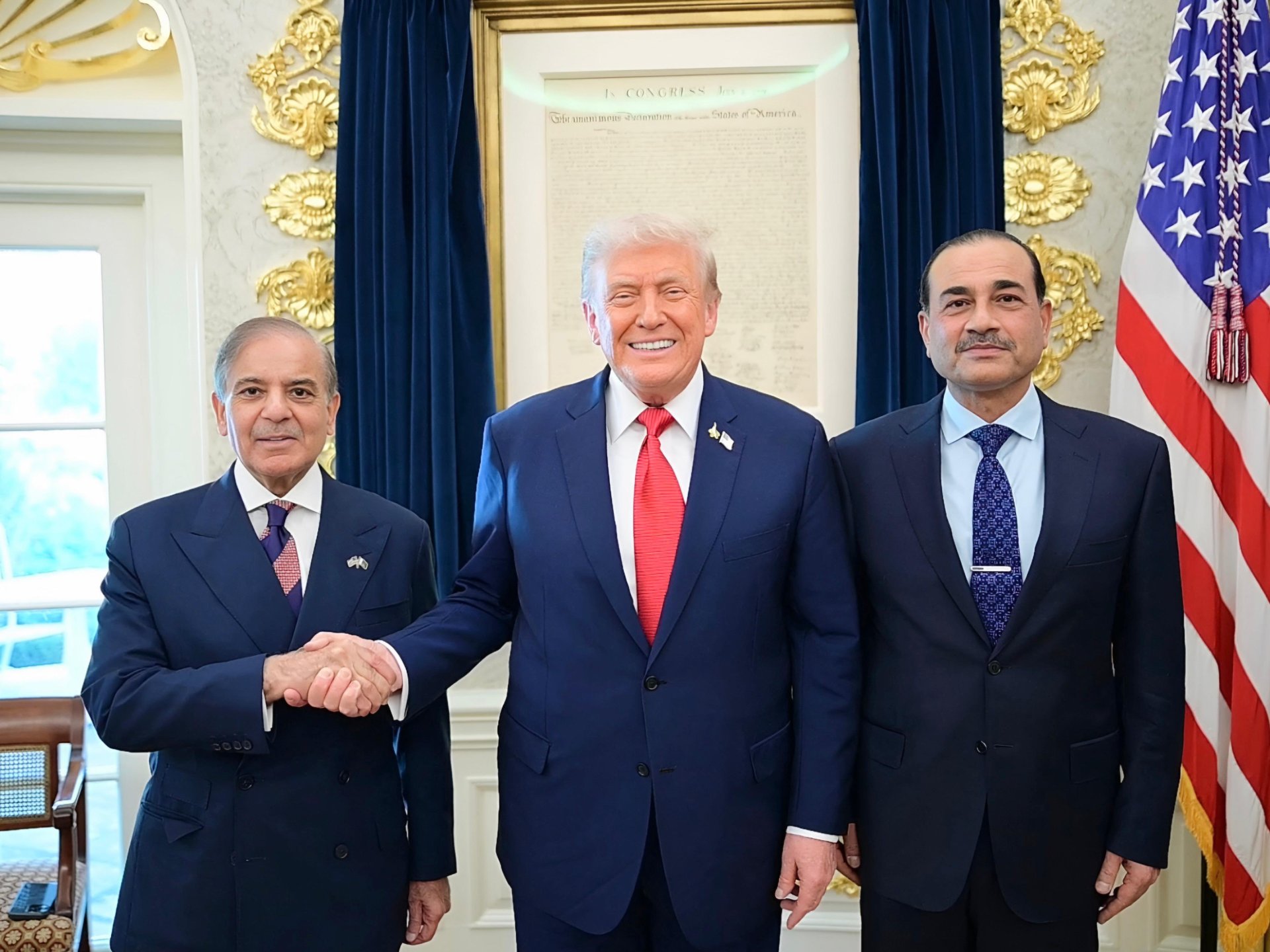
Ten years after its 2016 peace deal, Colombia faces a return to conflict
 24 November 2026



Published On 24 Nov 202624 Nov 2026


But a decade later, some 43 percent of the stipulations of the accord have seen little or no implementation, according to the Kroc Institute for International Peace Studies, which monitors the deal.
Some of the least-implemented parts of the accord relate to projects promoting gender equality and political representation for ethnic minorities.
Florez supports the “instruments” designed to build peace under the 2016 deal, but he argues that a lack of resources and political will scuttled their implementation.
“Every new government enters office and, instead of following the established roadmap, comes up with something new,” Florez said.
State support for the accord first collapsed when right-wing politician Ivan Duque succeeded Santos as president in 2018, campaigning on a pledge to dismantle the deal.
Though Duque was constitutionally barred from scrapping the accord, his administration neglected to pursue key tenets of the peace deal, like land restitution and transitional justice.
Duque’s successor, Gustavo Petro, was the first left-wing president in Colombia's history — and a former rebel fighter himself.
But while he promised to implement the 2016 deal in full, he too fell short of meeting its commitments.
His "Total Peace" strategy — which sought to expand peace negotiations to other groups — also fell flat. Critics say Petro’s failed negotiations simply gave criminal organisations more time to recruit, regather and resupply.

De la Espriella, meanwhile, has been one of the deal's most vocal critics.
Ahead of its 10th anniversary, he described the accord as "insufficient". In a social media post on Monday, he also accused it of failing the FARC's victims and costing Colombia trillions in pesos.
"On the 10-year anniversary of the pile of trash that the Havana Agreement with the FARC narcoterrorists turned out to be, it’s worth reminding Colombians how much this false peace has cost us," de la Espriella wrote.
He pointed to costs for projects like the Special Jurisdiction for Peace (JEP), a transitional justice court established under the peace deal. De la Espriella has suggested he would like to see it shuttered.
The president has also pledged to scrap the Office of the High Commissioner for Peace, which advises the president on peace matters, declaring “the complete dismantling of the perverse system of impunity that currently prevails”.
Having dismissed peace talks as ineffective, de la Espriella has instead ramped up the government's military offensives against armed groups.
De la Calle, however, fears that turning away from the 2016 peace deal will backfire.
“I am very concerned about the message coming from the government," said the former negotiator. “I believe that failing to implement the agreement is a monumental mistake for Colombia."


Related News
Trump cancels Iowa, Kansas midterm events, opts for ‘tele-rallies’
Thune re-elected as US Senate Republican leader after midterm losses
Which key races remain undecided one week after the US midterms?