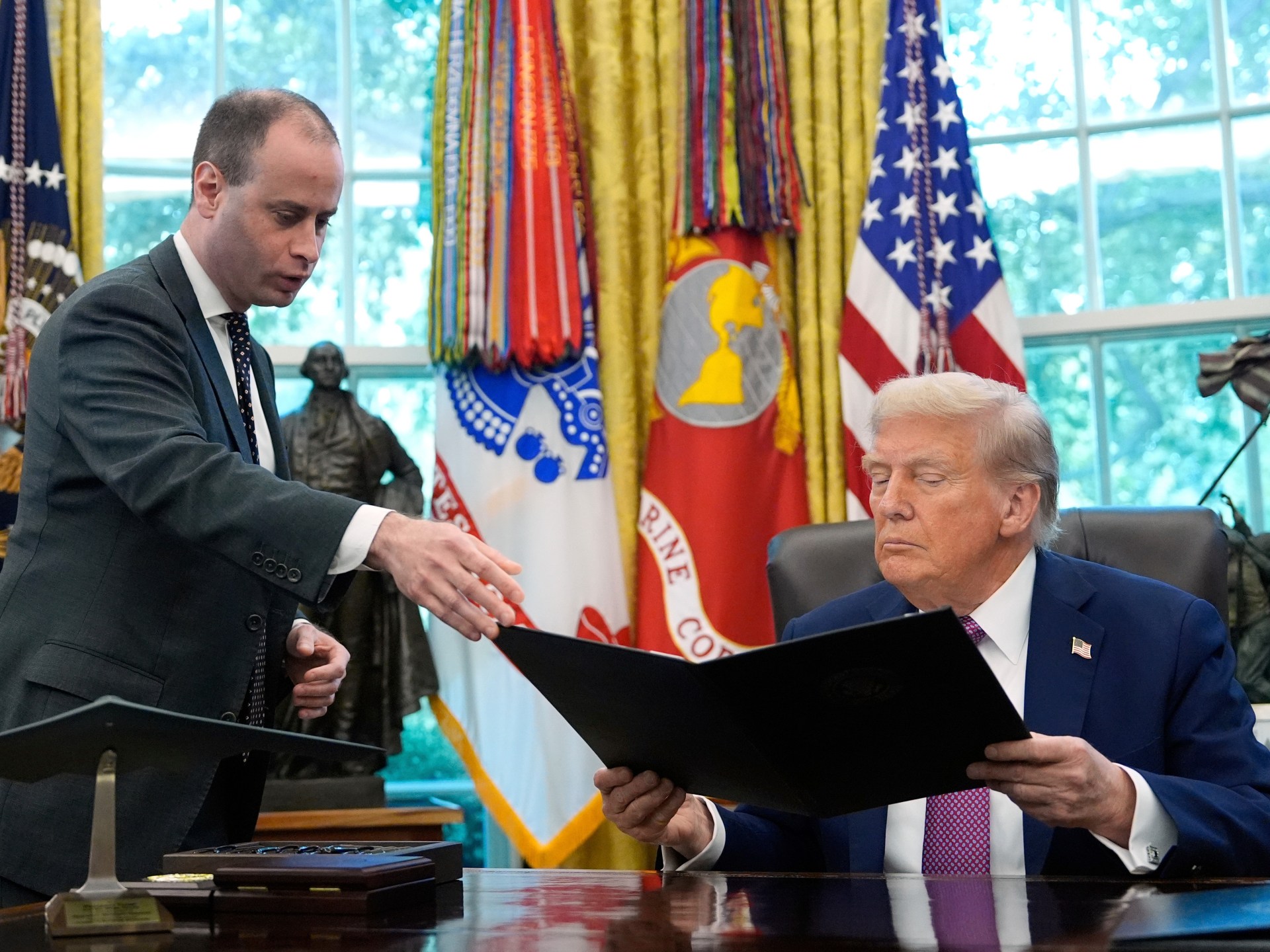
Brazil’s Supreme Court to weigh cases that could weaken Amazon protections
 11 August 2026
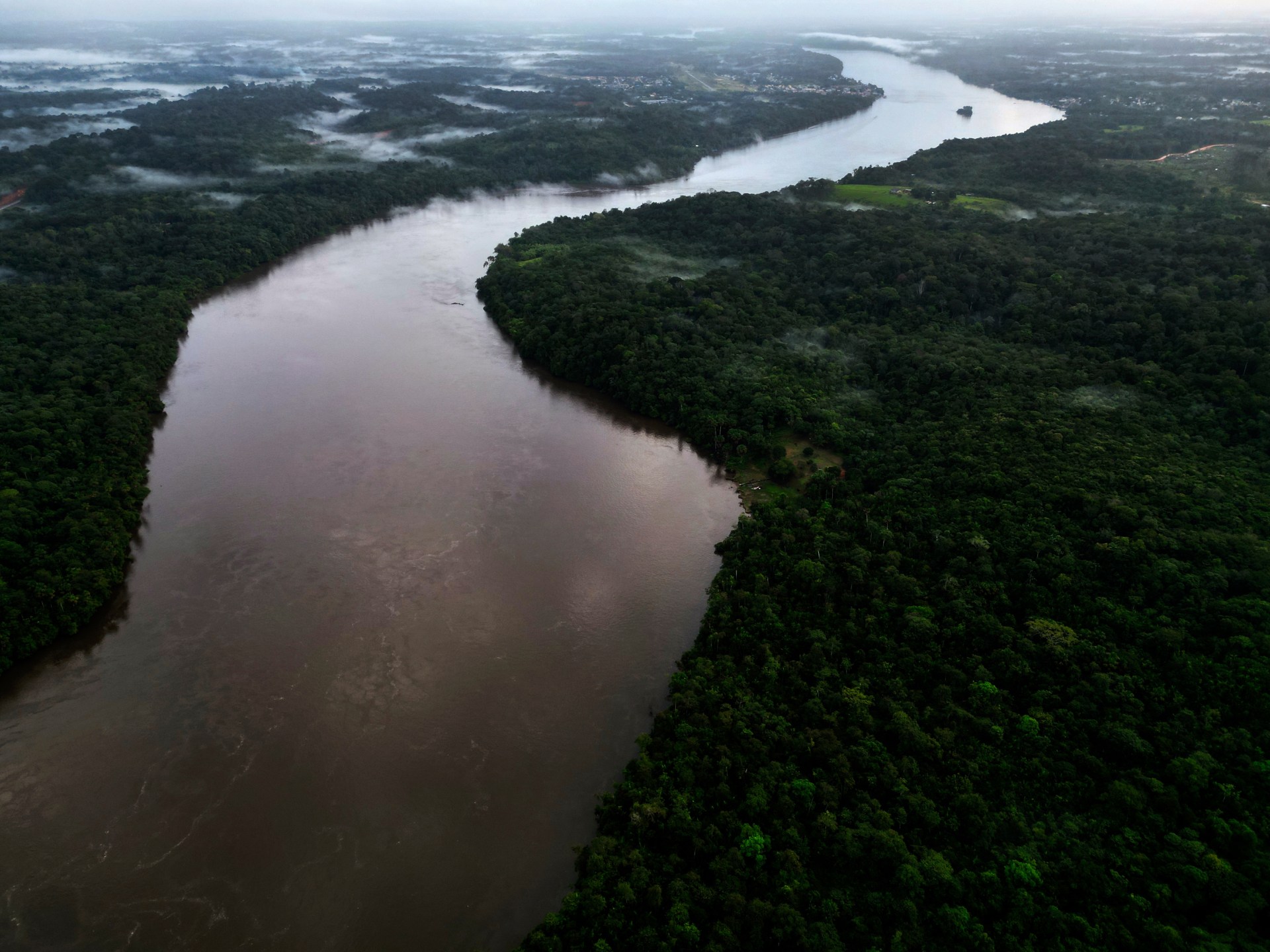

Brazil’s Supreme Court is set to hear several cases that could reshape protections for the Amazon rainforest, after a mostly conservative Congress overrode several of leftist Brazilian President Luiz Inacio Lula da Silva’s environmental vetoes.
The court will take up the cases on Wednesday, as lawmakers and environmental groups remain divided over how Brazil should balance economic development with environmental protections.
- list 1 of 3Under Lula, Amazon deforestation falls to lowest level in a decade
- list 2 of 3US to impose new 25 percent tariffs on some Brazilian imports
- list 3 of 3Brazil’s Lula launches fourth-term bid, focuses on national sovereignty
end of list
Deforestation in the Amazon has fallen to its lowest level in a decade during the first half of 2026. The cases put some of Brazil’s most consequential environmental fights before the country’s top court.
Indigenous land rights
On Friday, Brazil’s Supreme Court began reviewing final motions seeking clarification of a 2025 ruling that rejected the “time limit” thesis. The legal theory, backed by Brazil’s agribusiness lobby, restricts Indigenous land claims to territories occupied or under legal dispute when Brazil’s 1988 Constitution took effect.
The agribusiness caucus argues that a cutoff date would provide legal certainty for landowners. Indigenous groups say it ignores decades of forced displacement and violence that pushed communities from their ancestral lands. Indigenous communities across the Amazon, including the isolated and uncontacted Kawahiva people, could be affected by the ruling.
The justices are considering motions that seek clarification of the court’s ruling, addressing questions about compensation and possible deadlines for completing Indigenous land demarcations.
Advertisement
The soya farming moratorium
On Wednesday, the court will consider a legal fight over the future of Brazil’s soya moratorium, an agreement that barred major traders from buying soya grown on land deforested in the Amazon after 2008.
The agreement has been credited with helping curb deforestation, even as Brazil became an agricultural powerhouse. But states that are major soya producers passed laws in January revoking tax incentives for participating companies, prompting the Brazilian Association of Vegetable Oil Industries (ABIOVE) to withdraw from the moratorium.
Brazil is the world’s largest producer and leading exporter of soya beans. The Ministry of Environment and Climate Change has defended the soya moratorium, saying it helped reduce Amazon deforestation even as Brazil expanded production.
Environmental licensing
The court will also consider on Wednesday a challenge to a new environmental licensing law that took effect in February.
The law fast-tracks approval for projects including mines, highways and industrial plants, prompting environmental groups to warn that it could weaken safeguards in one of the world’s most important ecosystems.
Suely Araujo of the Climate Observatory said the law is already having tangible consequences in the Amazon, citing the paving of a controversial highway and plans to dredge the Tapajos River without adequate prior environmental review.
Related News
Seven people, mostly foreign tourists, killed in helicopter crash in Kenya

Spain requests emergency funding from the EU over Ceuta migrants
International body votes to convene emergency meeting over Nicaragua