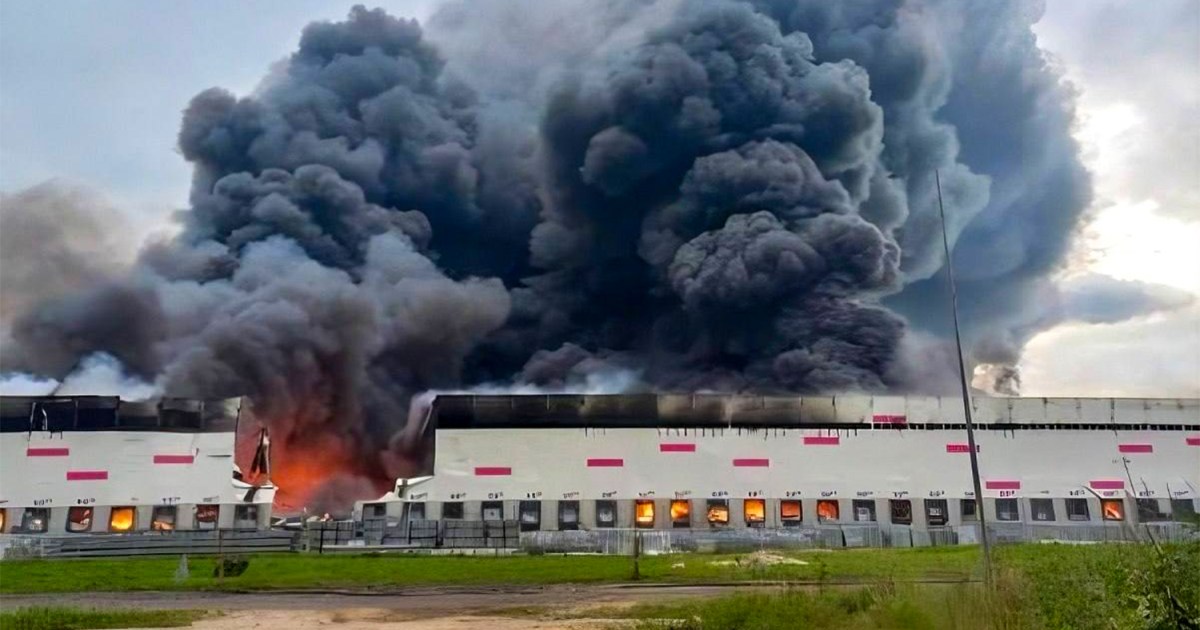
Future of southern Lebanon peacekeeping uncertain ahead of UNIFIL phase-out
 11 August 2026
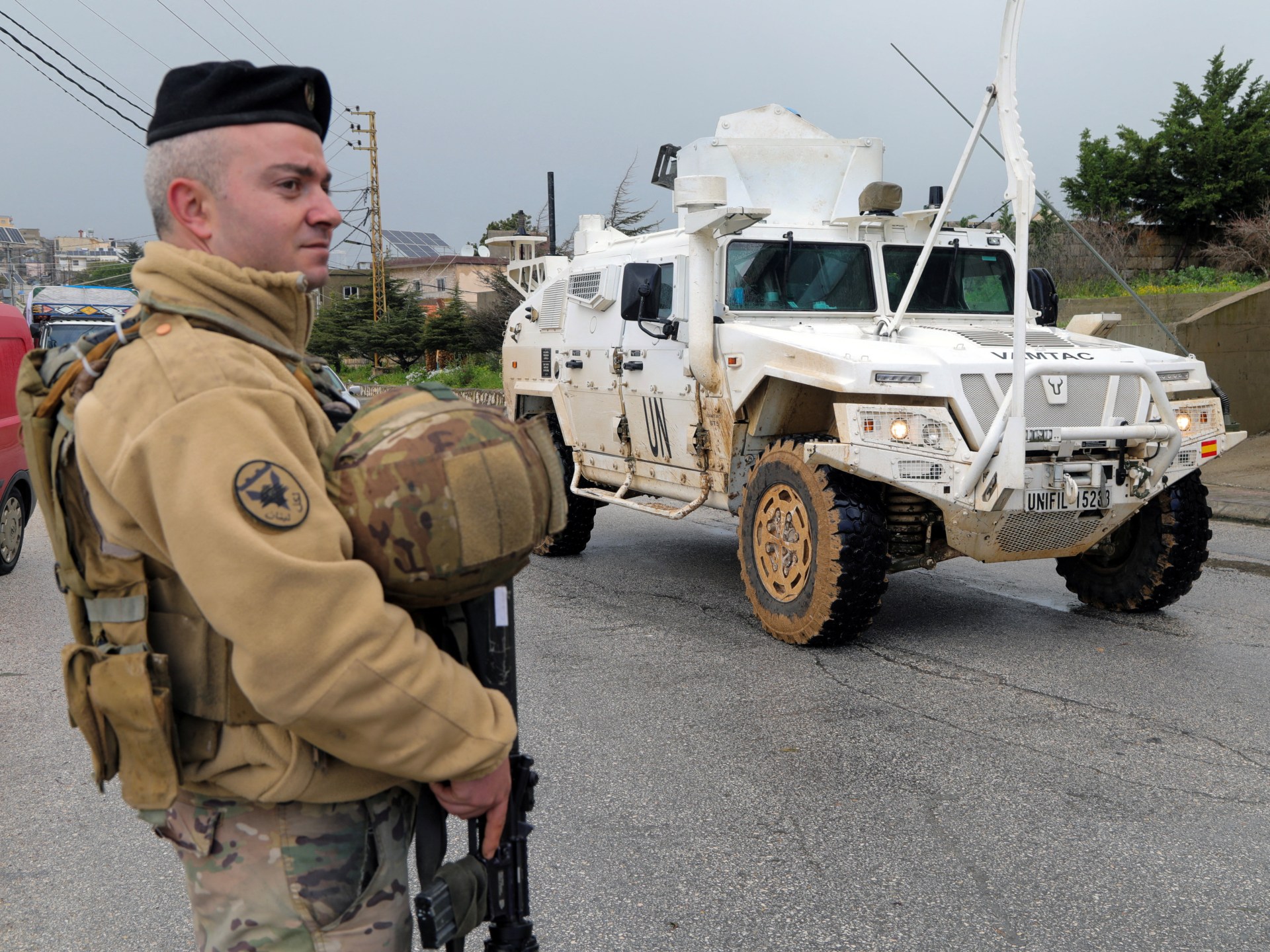

Beirut, Lebanon – As time runs out on the mandate for UNIFIL, the United Nations peacekeeping force in southern Lebanon, there is still strong international and domestic support for peacekeepers in the region, devastated by an Israeli war since 2023, in which thousands have been killed.
Even if another peacekeeping force is created once the UNIFIL mandate expires at the end of the year, it will likely have fewer troops and be part of a regional agreement.
- list 1 of 3Palestinian club football to restart in September after Gaza war suspension
- list 2 of 3Why Netanyahu’s ‘coup’ against Gaza plan risks endless war
- list 3 of 3What’s behind Trump’s shift to economic pressure on Iran? Will it work?
end of list
“This requires Lebanese state authority and monopoly over arms, Israeli withdrawal and respect for Lebanese sovereignty, and Iranian compliance with noninterference in Lebanese affairs,” Lebanese political scientist Imad Salamey told Al Jazeera.
“International forces can monitor and support peace, but they cannot substitute for domestic and regional agreement to uphold it.”
UNIFIL’s mandate began in 1978, during the Lebanese civil war. It has often been accused by all sides of not successfully implementing UN Resolution 1701, adopted 20 years ago. The resolution calls for the withdrawal of Israeli troops behind the Blue Line – the de facto border between Israel, Lebanon, and the occupied Golan Heights – the deployment of the Lebanese Armed Forces to southern Lebanon, and the disarmament of Hezbollah south of the Litani River.

But implementing 1701 – currently the topic of US-brokered direct talks between Lebanon and Israel – was never part of UNIFIL’s original mission.
“UNIFIL was never established … with powers to forcibly impose Resolution 1701 on either side of the border. Its mandate has essentially depended on monitoring, reporting, coordination, and assisting the Lebanese Armed Forces,” Salamey said. “Expecting UNIFIL to forcibly disarm Hezbollah or compel Israel to withdraw or cease violations goes beyond the enforcement authority it was actually given.”
Advertisement
Analysts point out that the decision to refuse to extend UNIFIL’s mandate came after the US adopted the Israeli position to oppose the mission so the Israeli military could operate in Lebanon without a monitoring body present.
UNIFIL sidelined
As negotiations continue between Israel and Lebanon, UNIFIL has found its role limited to monitoring violations.
Israel and Lebanon agreed to a “framework agreement” on June 26. The agreement aims to establish so-called “pilot zones”, where Israel would pull out its occupying troops and the Lebanese Army would take control and oversee Hezbollah’s disarmament.
UNIFIL has no role in the pilot zones, reflecting what analysts say is Israeli and US pressure to exclude them.
“Under the latest Lebanon ceasefire arrangement, the US and Israel have clearly sidelined UNIFIL, along with various other members of the international community,” the International Crisis Group’s senior Lebanon analyst, David Wood, told Al Jazeera.
“UNIFIL does not play a key role on the ground in implementing the ‘pilot zones’ scheme, and – unlike under the previous truce deal – it no longer occupies a seat on the ceasefire monitoring mechanism.”
Wood said that the approach reflects “shared US and Israeli scepticism” about UNIFIL’s mission to keep Hezbollah out of southern Lebanon. Still, he said, excluding UNIFIL from any peace process has its drawbacks.
“In the past, UNIFIL had helped to de-conflict stand-offs between the Lebanese and Israeli militaries, such as the eruption of gunfire [during the] Zawtar al-Gharbiyeh pilot zone’s implementation,” Wood said.
“UNIFIL could resume this on-the-ground mediation role, along with monitoring functions, as short-term measures to prevent the situation in southern Lebanon from spiralling further out of control.”
Replacing UNIFIL
As UNIFIL’s mandate draws down, various states have said they are willing to contribute peacekeepers to any future force. Two European diplomats told Al Jazeera their respective countries were discussing sending peacekeepers to whichever mission replaces UNIFIL.
One proposal is that the UN Truce Supervision Organization (UNTSO) could step in. The UNTSO, however, would be a much smaller force than UNIFIL, which boasted about 15,000 personnel at its peak and had approximately 7,000 in June 2026.
In June, UN Secretary-General Antonio Guterres put forward three options to the Security Council that would see troop numbers range between 900 and 3,000.
Analysts are still uncertain about what form the next peacekeeping mission in southern Lebanon will take.
Advertisement
“It is difficult to know how an international force could help promote stabilisation in southern Lebanon, until the overall security arrangement between Israel and Lebanon becomes clearer,” Wood said.
If the process is not sped up, there are concerns about a security gap.
“If the Security Council allows a vacuum to emerge between the end of UNIFIL’s mandate and the establishment of a new international force, it could become very difficult to ever fill that gap once more,” Wood said.
Political scientist Salamey believes that a peacekeeping force alone cannot solve the wider issue of Hezbollah’s arms and Israel’s ongoing occupation of southern Lebanon.
“Replacing UNIFIL with UNTSO, a multinational or a European force will make little difference without a broader political settlement,” Salamey said.
Related News
US removes Syria from ‘state sponsor of terrorism’ list

India’s severe monsoon season causes more than 100 deaths since July
US judge strikes down Trump immigrant visa ban affecting 75 countries