‘Inevitably difficult’: Inside a family’s fight against the US boat strikes
 16 January 2026
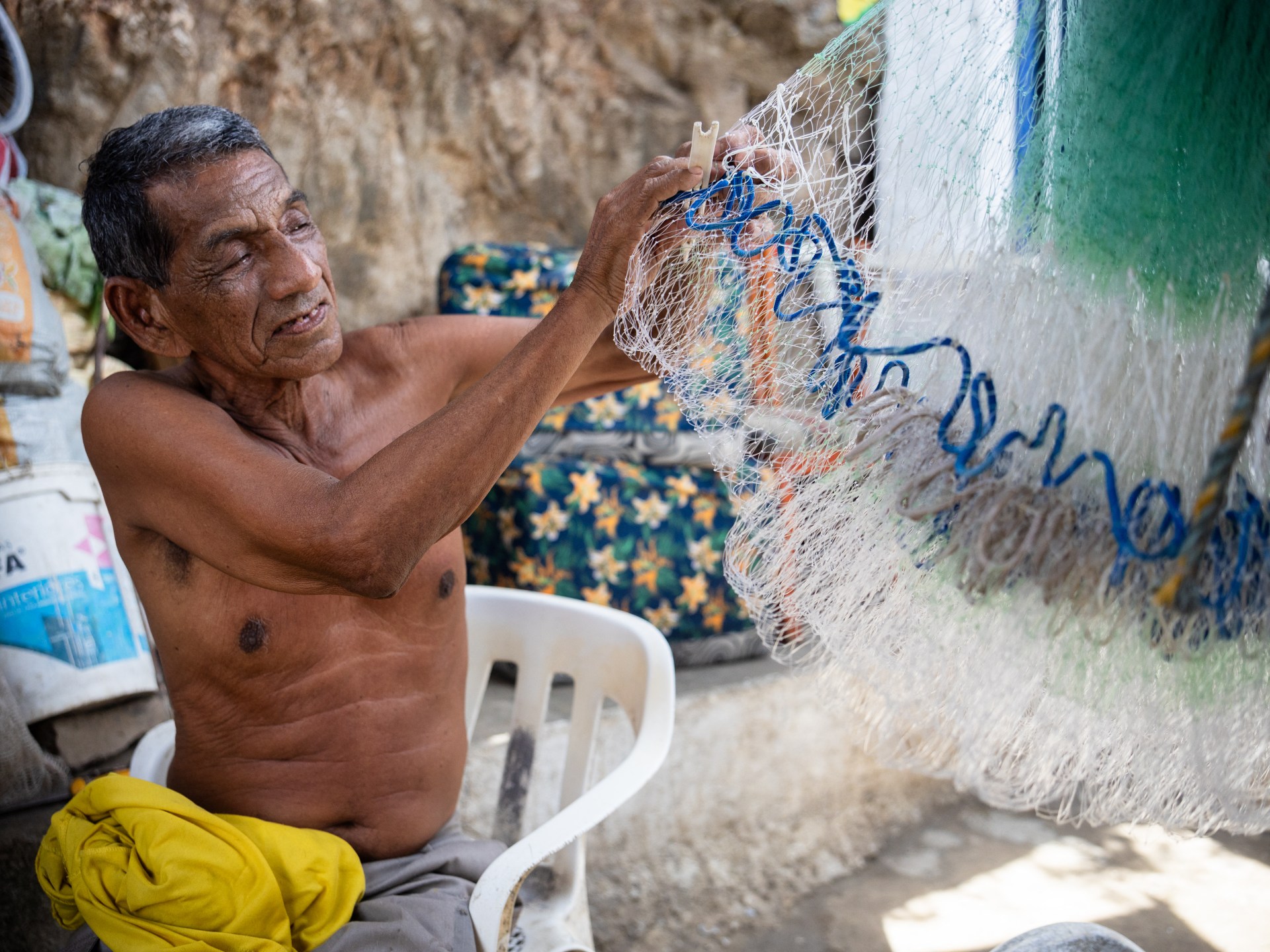

As part of the petition to the Inter-American Commission on Human Rights, the Carranza family is seeking compensation and a stop to the US strikes.
But the commission’s powers are limited. It can investigate alleged violations, determine state responsibility and provide recommendations, but its decisions are non-binding, meaning that the US is not obligated to comply.
“It can provide a measure of justice, in that it would be a regional human rights body saying that the victims are right and deserve to be compensated,” said Pappier.
"But it would not immediately deliver reparations or full-fledged accountability."
Bringing the case before a US court could ultimately be more productive, Pappier added, but it would also be significantly more challenging.
Kovalik, the family's lawyer, told Al Jazeera he is currently weighing those challenges.
The fact that the alleged crime took place outside of US territory could be a barrier to litigation, he explained. So too could be the legal protections granted to the US government and top officials.
The US government enjoys sovereign immunity in most cases, and the Supreme Court ruled in 2024 that the president enjoys "presumptive immunity" for any "official acts" he engages in.
“We are still considering a possible court action,” Kovalik said.
Another challenge is that the US has shown no willingness to investigate the strikes or release information that would help others do so.
In a statement to Al Jazeera, the Colombian Attorney General’s Office confirmed that it has opened an inquiry into the US bombings, but experts warn that restricted access to information could limit its investigation.
Colombia would need insight into US decisions about the strikes to determine criminal responsibility, said Schuller, the expert from the European Center for Constitutional and Human Rights.
Without US cooperation, however, “it's impossible to get the information necessary to say who could be put on trial for such a strike", he explained.
For now, Kovalik said that the Carranza family takes some comfort in knowing that “at least something is being done”.
Since Carranza’s disappearance, relatives have been unable to hold a funeral without the fisherman's remains. His family also is struggling financially because Carranza was the household’s breadwinner, and his wife has a disability that limits her ability to work.
Vega said that, if Carranza had been suspected of smuggling drugs, US authorities had a responsibility to arrest him, not kill him.
The burden of proof, he added, should be on the US government, not the family.
“Alejandro was one of our fishermen. He will not stop being one unless proven otherwise.”
Related News

Two Palestinians killed by Israeli tank fire in southern Gaza
Israel carries out raids and demolitions, arrests dozens across West Bank

Myanmar’s military holds second phase of elections amid civil war