Watch Us: How Small Caribbean States Can Build Resilience And Growth
 27 September 2026


News Americas, NY, NY, Sun. Sept, 27, 2026: In 2000, Lester Bird, then Prime Minister of Antigua and Barbuda, stood before the United Nations and said: “Surprise me.” He had heard the promises. He wanted to see the results. He wanted a child born in poverty to find a real chance, a small country to have its voice heard, and a world that spoke about fairness to practice it. Then he made the challenge larger: “Surprise small countries like mine. Surprise us.” Twenty six years later, those words still have work to do. The world must answer them. But the Caribbean states must answer them too. Watch us.
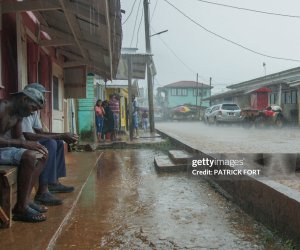
Consider what life on a small island can demand. One hurricane can rip roofs from houses, shut schools, break roads and leave a business owner counting losses before the sun rises. A war thousands of miles away can make groceries and fuel more expensive at home. Higher interest rates can squeeze a national budget. A weak tourist season can reach the taxi driver, hotel worker, farmer and shopkeeper before the statistics appear in a report. The Caribbean Development Bank estimates that the region will need US$65.2 billion between 2024 and 2033 to meet existing policy goals and avoid economic stagnation. The amount could rise sharply when stronger infrastructure, climate protection and financial reserves are added.  These are not distant problems. They show up at the checkout counter, in the classroom, at the fuel pump and around the Cabinet table.
Still, small is a fact about land. It is not a fact about people. A few islands have given the world writers, musicians, athletes, teachers, scientists, entrepreneurs, pastors and diplomats whose influence travels far beyond the shoreline. Our people have learned to do much with little. That lesson now needs to shape the way we build our countries. Grow more of our food. Make energy less expensive and more dependable. Give children schools that prepare them for the work ahead. Help local companies find customers beyond the region. Give young people reasons to build here rather than believing that success begins at an airport departure gate. And when several islands face the same problem, stop paying separately for the same answer.
That is where Bird’s challenge reaches both the world and ourselves. To wealthy countries, development banks and investors, the Caribbean can still say: Surprise us. Make it easier to finance a seawall before the sea breaks the road. Help strengthen a hospital before the next storm tests it. Give Caribbean businesses fair access to larger markets. Share technology that can lower the cost of power, food and communication. Judge a country by the risks it faces as well as the income it reports. The United Nations has already moved in this direction through its Multidimensional Vulnerability Index, which looks beyond income to a country’s exposure to outside shocks and its ability to withstand them.  But our answer cannot end with what the world owes us. Surprise them. Spend public money as if it belongs to the people, because it does. Finish the road after announcing it. Repair the school before building another platform for speeches. Train people for jobs that actually exist. Make regional agreements produce cheaper power, faster travel, larger markets or better services. Let citizens see where their money went and what it achieved.
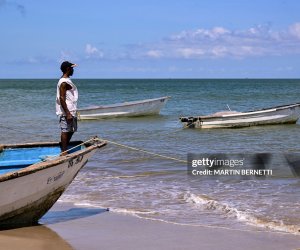
And that is where Watch Us begins. Watch the farmer who finds a better way to grow food. Watch the fisherman who reaches a market beyond his island. Watch the young programmer who builds a company from a bedroom and sells its work across the ocean. Watch two governments share a service instead of building two expensive ones. Watch a school turn a bright child into a skilled adult. Watch a public official finish what was promised. Watch a taxpayer ask where the money went and receive an answer. Watch small countries test ideas, learn quickly and help one another improve. The world has a responsibility to give us a fair chance. We have a responsibility to show what we can do with it. Bird asked the world to surprise him. The challenge remains. But the Caribbean has something to say now: Surprise us, world. We will do our part. Then watch us.
Related News
Guyana President Claims No Deportee Accepted Under US Deal Has A Criminal Record
Sunshine, Shade, And Shadows: A Caribbean Opportunity To Prepare Who Leads After Us
A Broken Headlight, A Revived ICE Deal: How Local Politics Could Get A Haitian Born Pastor...