
Tufton urges global collaboration to strengthen health workforce without deepening critical shortages
 26 September 2026

September 26, 2026
Written byShanice Gibbs
Jamaica is calling for greater international collaboration to strengthen health workforce capacity while ensuring the movement of workers does not impair the resilience of health systems already facing critical shortages.
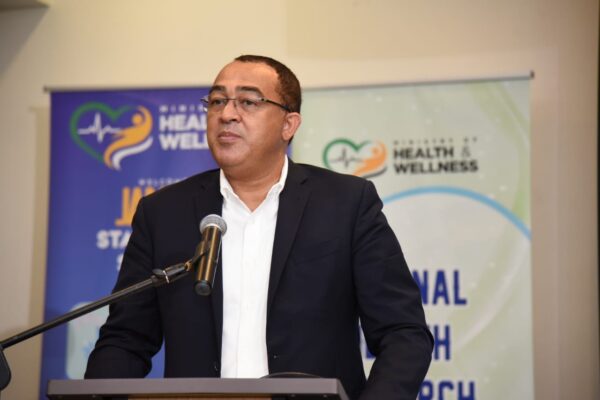
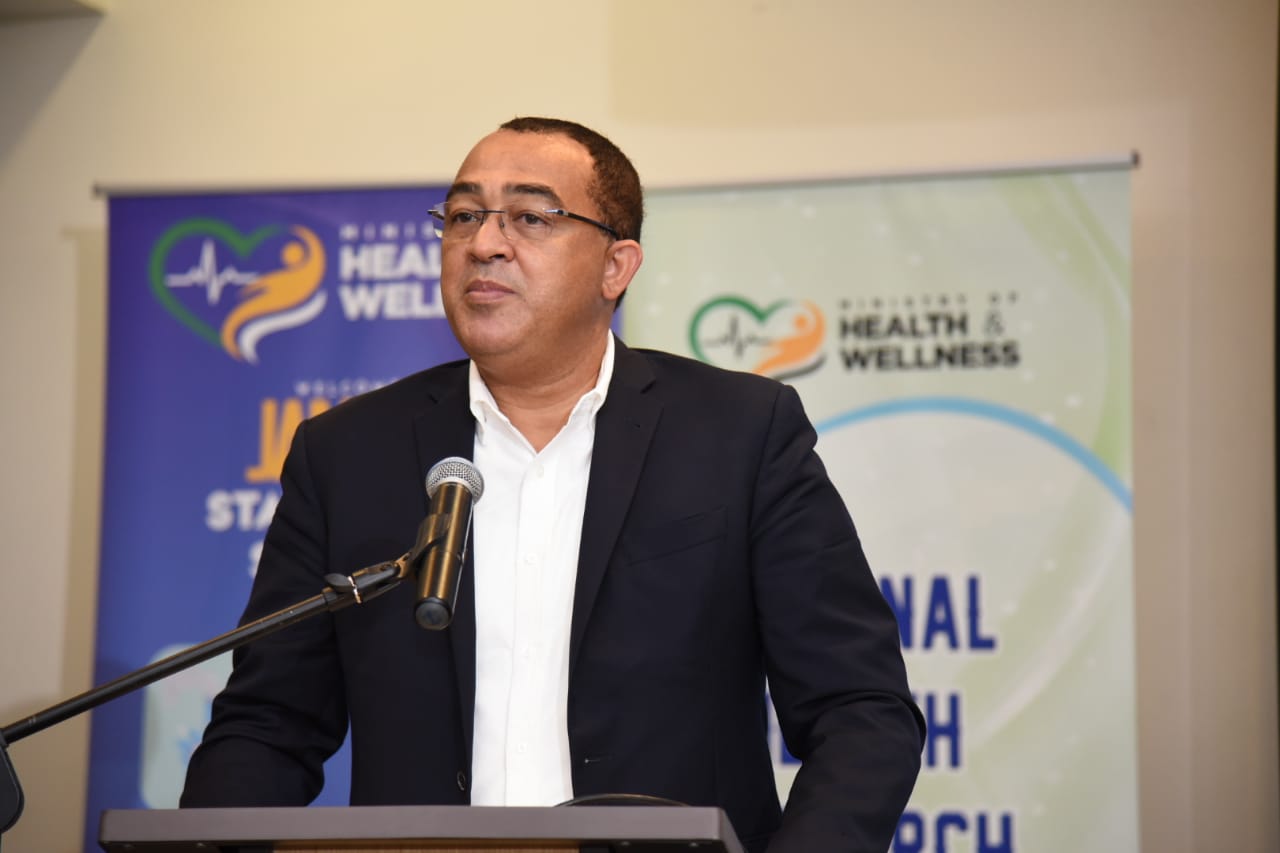
Health and Wellness Minister, Dr. Christopher Tufton, made the call during a side event on pandemic prevention, preparedness and response, and human mobility during the high-level week of the 81st session of the United Nations General Assembly, in New York, in the United States.
Jamaica was co-sponsor of the event hosted by the Government of the Philippines.
Dr. Tufton noted that health systems cannot effectively prevent, prepare for, or respond to pandemics without an adequate, skilled and resilient workforce.
Jamaica’s position is informed by Article 7 of the World Health Organisation Pandemic Agreement, which calls for countries to develop, strengthen, retain and invest in a skilled and adequately trained health workforce.
The agreement also recognises the need for cooperation to minimise the negative impact of health worker migration on health systems, while respecting the freedom of movement of health professionals.
Dr. Tufton said Jamaica continues to face shortages of specialist healthcare personnel in areas such as critical care, operating theatre, neonatal care and mental health.
He noted that, in response, the Government has implemented measures to strengthen recruitment, retention, training, staff welfare and deployment, including scholarships, specialist training, paid study leave, diaspora reengagement and international recruitment.
He added that while these measures address immediate workforce gaps, Jamaica recognises the broader challenge faced by countries that invest in training health professionals while experiencing the loss of skilled personnel through international migration.
He stressed that Jamaica’s position is not to restrict professional mobility, but to promote ethical, equitable and mutually beneficial international cooperation that allows health professionals to pursue opportunities without systematically weakening the health systems of source countries.
The Minister is therefore calling for greater international support for specialist training, technical assistance, accreditation linkages, faculty and clinical exchanges, as well as sustainable workforce development.
He also encouraged regional approaches through CARICOM to support shared specialist training, workforce planning and emergency surge capacity, particularly for Small Island Developing States.
Related News

St. Mary Central MP and school board awaiting response from Teachers’ Service Commission...

District constable charged in relation to alleged theft of $400,000 at FNID
Jamaica finalises operating procedures for Third Country National agreement with US