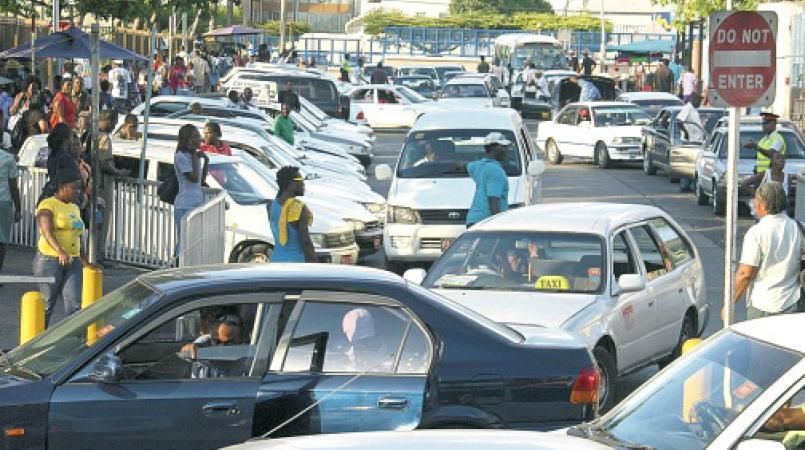
National Security Minister says Jamaica not opening borders for uncontrolled migration programme with USA for Third-Country Nationals
 16 June 2026
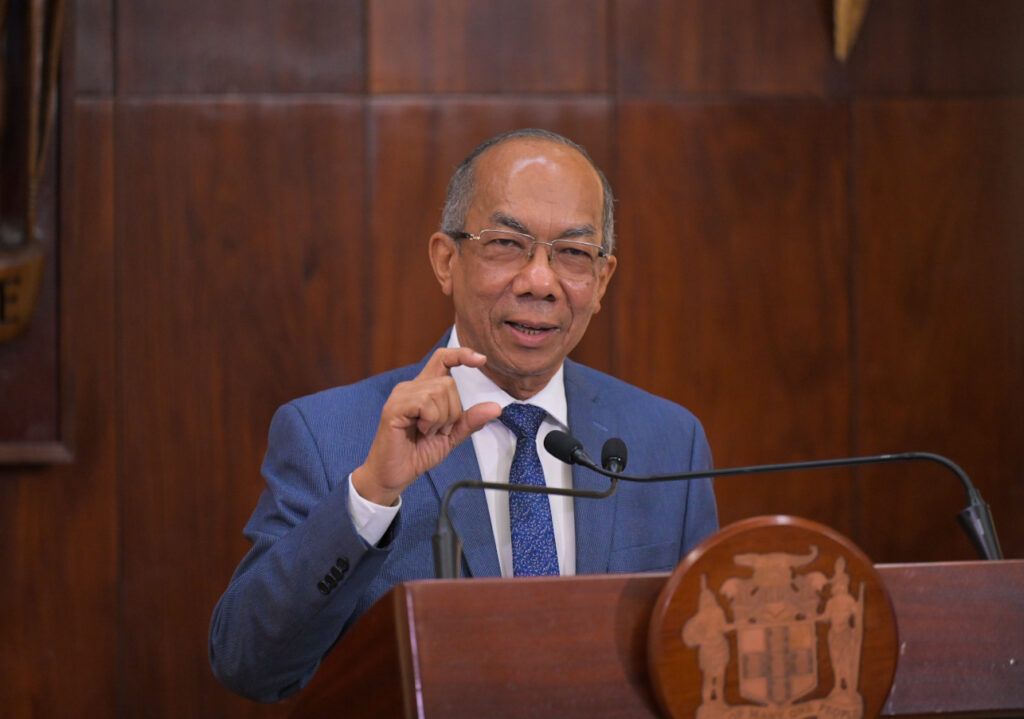

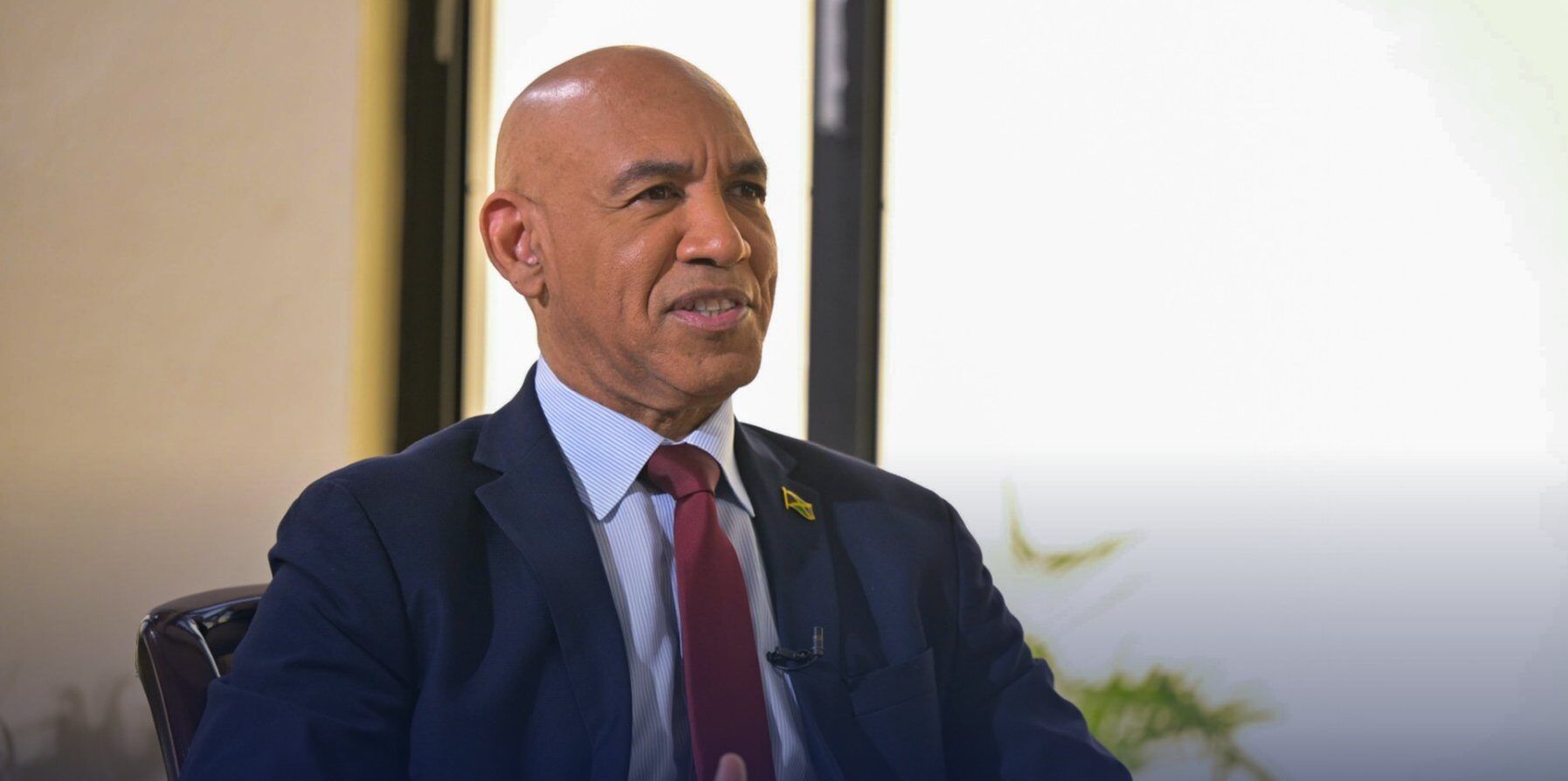
Minister of National Security and Peace Dr. Horace Chang says Jamaica is not opening its borders for an un-controlled migration programme, under a Memorandum of Understanding with the United States concerning Third-Country Nationals (TCN’s).
He states that the process for the agreement to accept non-Jamaicans deported from the U.S., has been approached carefully and deliberately, with Jamaica’s national interest at the centre.
According to Dr. Chang, the safety of Jamaicans and people in Jamaica, as well as obligation under international law have guided every step of the discussions on the MOU.
In a statement aimed at bringing clarity to the issue, Dr. Chang explains that the individuals who may be transferred under this framework are not being brought to Jamaica as permanent migrants. They are nationals of other countries who are being facilitated through a structured process to transit through Jamaica to a third territory, including return to their home countries.
He says the MOU is the outcome of negotiations between two sovereign partners and was not an automatic acceptance of any proposal.
He says that Jamaica’s technical teams engaged in detailed discussions with their United States counterparts to ensure that the framework included the necessary safeguards and protections for Jamaica.
Dr. Chang says that at no point did Jamaica compromise its sovereignty or ignore its duty to Jamaicans and that the Government is clear about the national interests and relied on Jamaica’s experience over many years in managing international migration matters to inform its position throughout the negotiations.
The statement says jJmaica has a longstanding record of cooperation with international partners on security and migration matters. The risks were carefully considered and balanced against the responsibility to protect Jamaica’s interests.
It adds that lessons were taken from similar arrangements entered into by countries including Belize, Costa Rica, Paraguay, Panama, Antigua and Barbuda, Dominica, and St. Kitts and Nevis, where terms were tailored based on individual national circumstances, laws, and security considerations.
Related News
Gov’t allocates millions for hurricane shelters supplies and drain cleaning as Atlantic ...
"I applied!" NaRRA CEO dismisses suggestions that he was handpicked for the job

KPH continues to experience challenges with central air conditioning system which disrupte...