

Deputy Prime Minister Alexander Novak of Russia has said his government is discussing the possibility of providing fuel to Cuba, as the United States continues to restrict oil resources going to the island nation.
Wednesday’s statement, reported by the RIA state news agency, comes days after Russia’s deputy foreign minister also said Moscow would provide “material supplies” to Cuba.
- list 1 of 3Cuban official decries ‘massive punishment’ by US oil blockade
- list 2 of 3Trump says planning to ‘make visit’ to Venezuela following Maduro abduction
- list 3 of 3Fire at Havana oil refinery as Cuba’s fuel crisis deepens
end of list
Until recently, Russia has been among the top suppliers of oil to Cuba along with countries like Mexico and Venezuela.
But Cuba’s fuel supply was disrupted last month, in the wake of a US attack on Venezuela.
On January 3, the US launched a military operation to abduct Venezuelan President Nicolas Maduro. Shortly thereafter, US President Donald Trump announced he would cut off Cuba’s supply of Venezuelan oil and money.
Then, on January 29, he issued an executive order threatening sanctions against any country that provides oil shipments to Cuba.
Countries like Mexico and Russia have been trying to negotiate the fuel blockade, as the United Nations warns of the potential for a humanitarian “collapse” on the island.
Last week, Russian President Vladimir Putin slammed Trump’s executive order as “unacceptable” while meeting with Cuban Foreign Minister Bruno Rodriguez in Moscow.
Prior to the fuel blockade, Cuba’s economy already struggled under a decades-long US embargo, stretching back to its alliance with the Soviet Union during the Cold War.
Economic and political crises have also spurred unrest and migration. During the COVID-19 pandemic, for instance, the island’s tourism sector cratered, prompting a mass exodus. As many as two million people left, more than 10 percent of its population.
Aid to Cuba
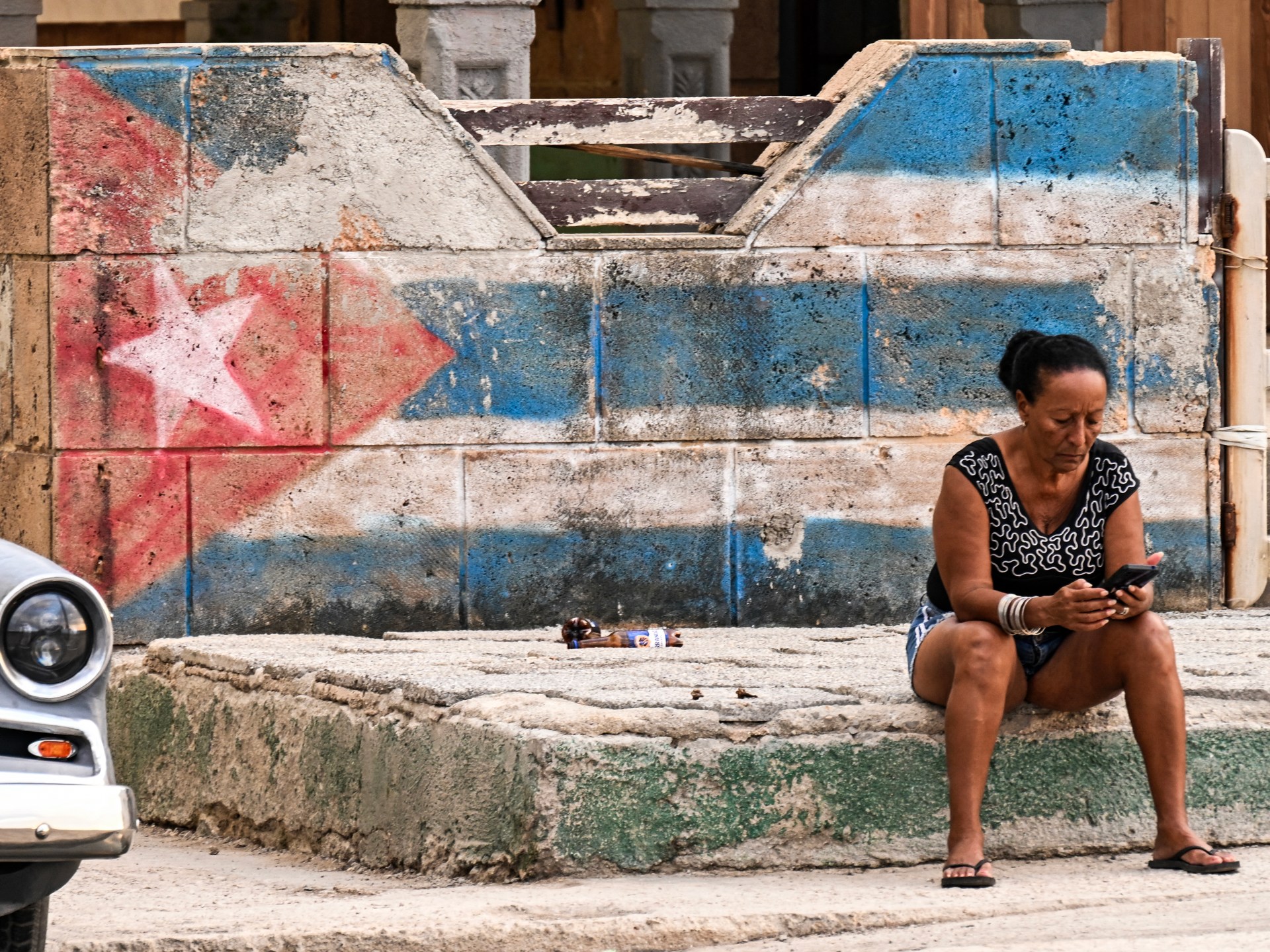
The fuel blockade is poised to heighten tensions on the island. Its electricity grid, for instance, relies primarily on fossil fuels. But Cuba produces only about 40 percent of its required fuel, making it heavily dependent on foreign shipments.
Advertisement
The Trump administration has signalled it would like to see Cuba’s communist government collapse.
Analysts, however, have warned that efforts to topple Cuba’s government through supply restrictions would likely have a devastating toll on the country’s population.
While Russia and China remain closely aligned with Cuba, they have so far avoided offering more than symbolic support.
On Wednesday, Canada became the latest country in the region to pledge food aid to Cuba, worth $8 million Canadian dollars (US$6.7m).
“As the people of Cuba face significant hardship, Canada stands in solidarity and is providing targeted assistance to help address urgent needs,” Foreign Minister Anita Anand said in a statement, adding the aid would be delivered via the World Food Programme and UNICEF.
Anand told reporters she did not discuss the decision to provide the aid with the US.
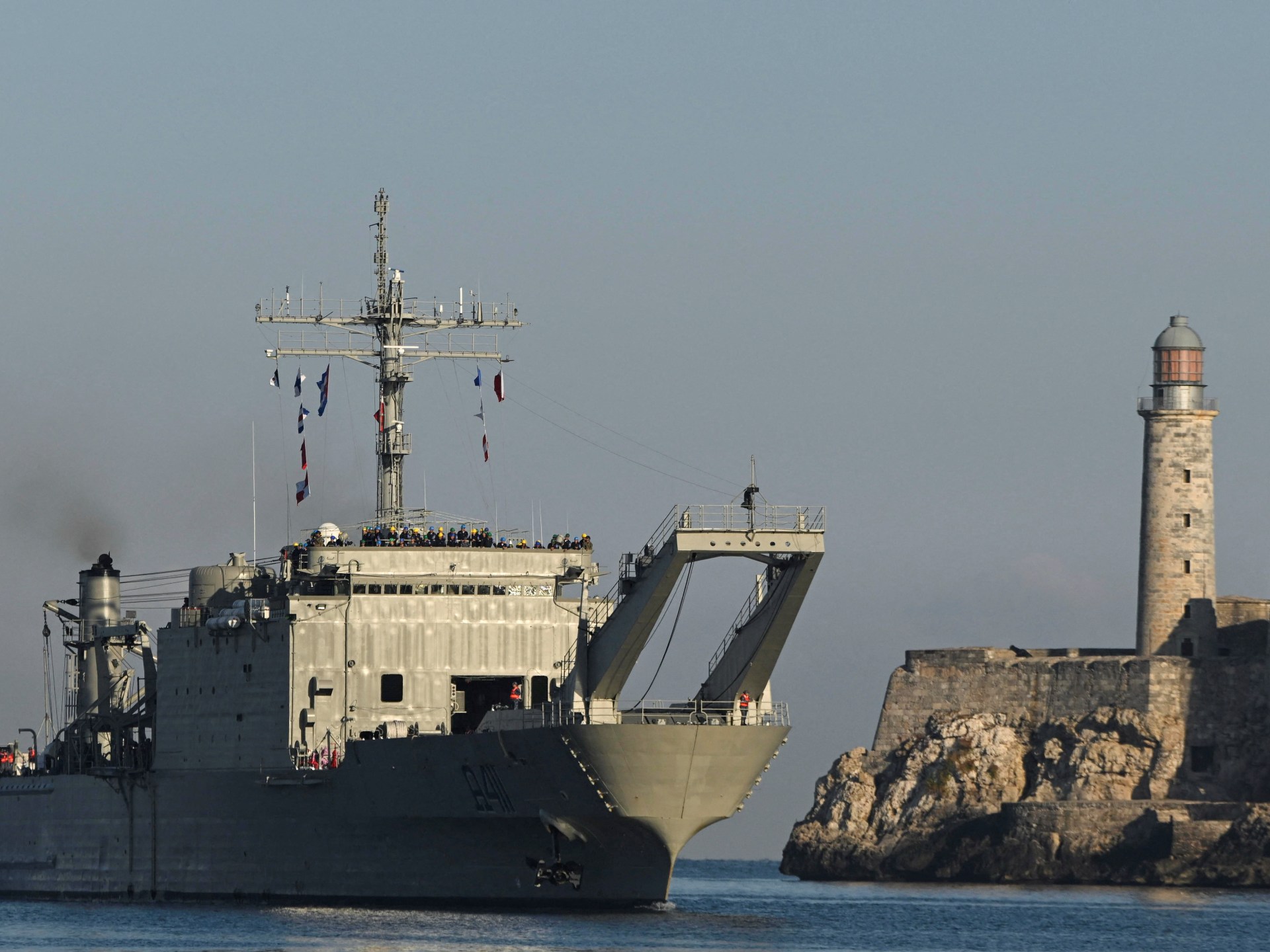
A second humanitarian aid deployment from Mexico also arrived in Cuba on Wednesday.
The two Mexican navy vessels had departed the port of Veracruz on Tuesday, carrying 1,193 tons of supplies, according to the Mexican Ministry of Foreign Affairs.
Earlier this month, Mexico dispatched more than 814 tonnes of food and hygiene products as part of an initial shipment to Cuba.
US eases fuel blockade
Already, the US has signalled it may ease its fuel blockade on Cuba.
In early February, it announced $6m in humanitarian aid to Cuba, although it announced the supplies would be distributed through intermediaries like the Catholic Church, not the Cuban government.
Likewise, on Wednesday, the Trump administration revealed it would allow a special licence to allow Venezuelan oil to be resold to Cuba, on the condition that the policy would be “directed towards transactions that support the Cuban people”, not the government.
US Secretary of State Marco Rubio also travelled to Saint Kitts and Nevis on Wednesday for a meeting of the Caribbean Community, or CARICOM, a regional political and economic bloc.
Before Rubio’s arrival, Jamaican Prime Minister Andrew Holness appealed for a collective response to the crisis in Cuba, which is not a member but maintains ties with CARICOM.
“Humanitarian suffering serves no one,” Holness said on Tuesday.
“Apart from our fraternal care and solidarity with the Cuban people, it must be clear that a prolonged crisis in Cuba will not remain confined to Cuba,” he added.
”It will affect migration, security and economic security across the Caribbean basin.”
Related News
Mexican ships arrive in Cuba with humanitarian cargo amid US oil blockade
Ukraine alleges Russia enlists more than 1,700 Africans to fight
Russia kills four Ukrainians on eve of fourth war anniversary