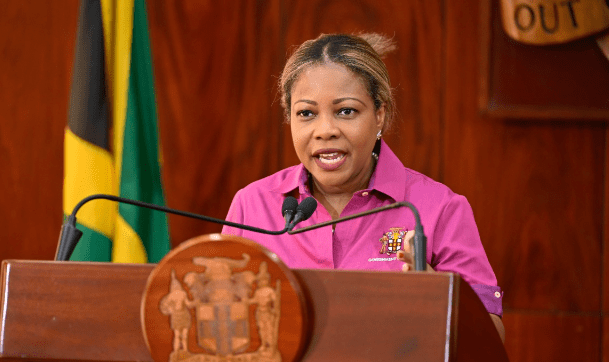
Ambassador says talks with US were about skilled workers programme, not TCN agreement
 02 July 2026

Written by: Sugar Ray Thomas
Minister for Efficiency, Innovation and Digital Transformation Ambassador Audrey Marks, has denied initiating the Third-Country Nationals (TCNs) arrangement.
She noted that her discussions with the United States were for a skilled workers programme, arguing that the TCN originated from the U.S. and was transmitted through the usual diplomatic channels.
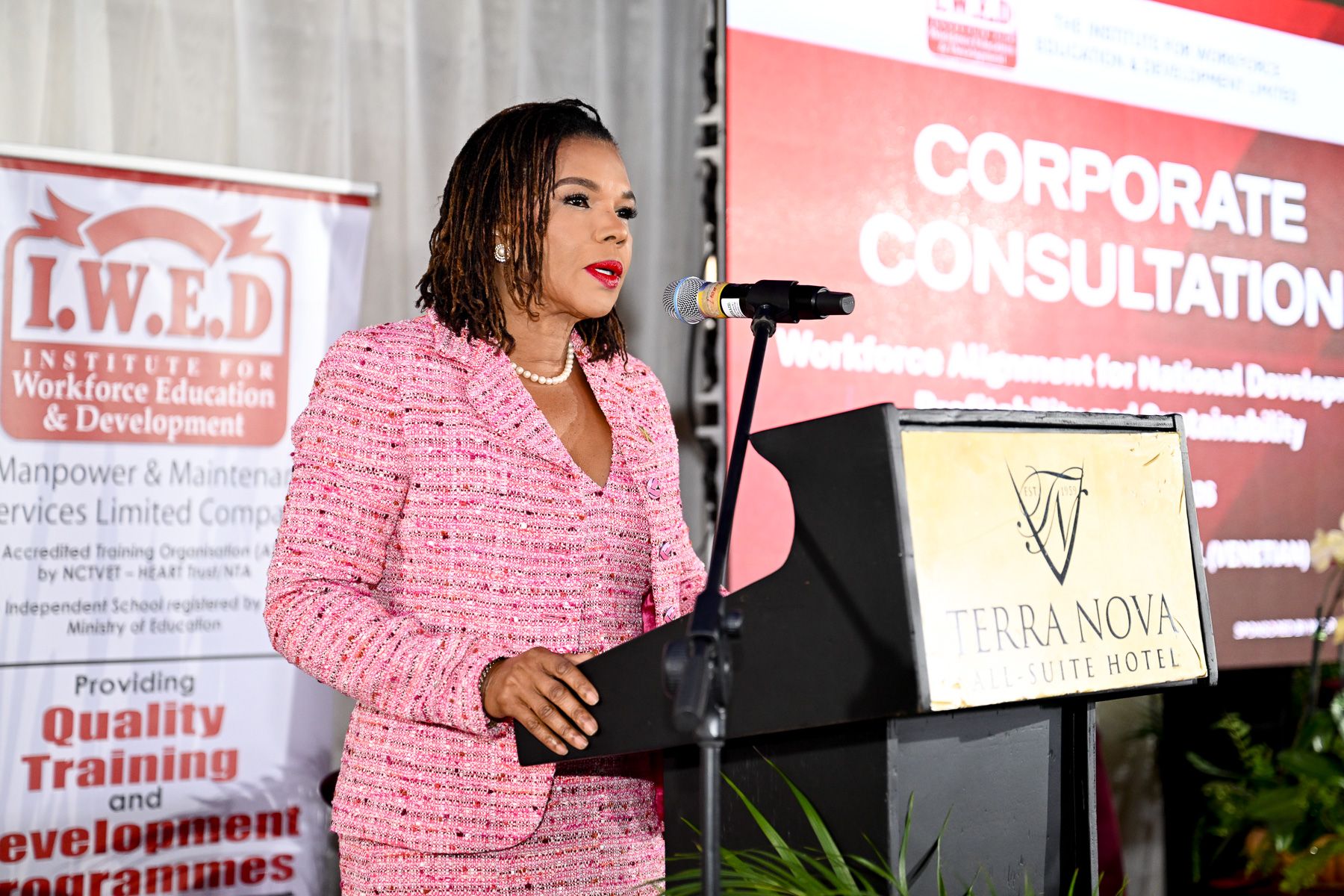
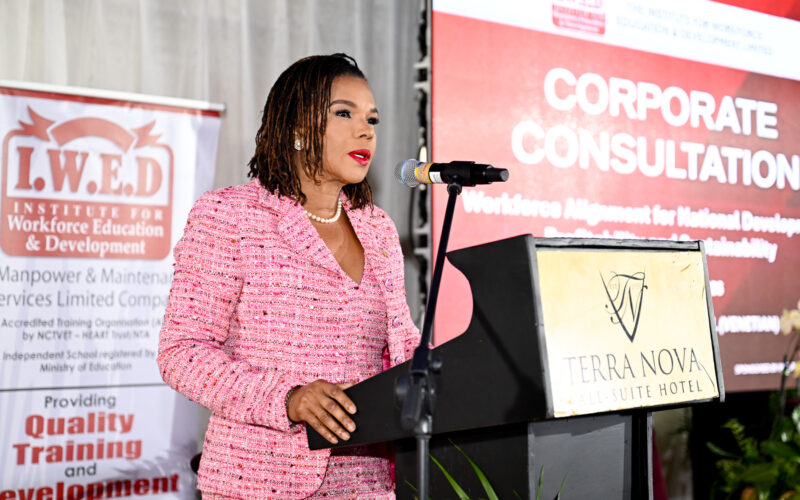
The Minister provided the clarification at a corporate consultation hosted by the Institute for Workforce Education and Development (IWED) at the Terra Nova Hotel in Kingston yesterday.
In her first comments on the matter, Ambassador Marks explained that the TCN programme is being conflated with a separate proposal she developed last March, while serving as ambassador to the U.S., to get skilled workers into Jamaica.
Outlining the details, she disclosed that in the role of ambassador, her responsibility was to anticipate policy changes in the U.S., assess how those changes could affect Jamaica, and identify how Jamaica could protect and advance its national interest.
She said that it was in that context, she developed the March 2025 Embassy of Jamaica broad cooperation proposal, which she said was not limited to one issue.
It was designed to identify areas in the America First Policy where there could be an intervention for Jamaica’s benefit.
According to Ambassador Marks, the concept note had five proposals, and it looked at Jamaica’s current structured work programme with the U.S. and proposed its expansion to increase the number of H-2A and H-2B visas.
The second proposal in the cooperation document was a structured migration and economic development programme to help the country address critical skills gaps through migration to Jamaica of skilled workers.
The Minister disclosed that the idea was to create a pathway for skilled workers to come to Jamaica, similar in principle to how the H-1B visa brings specialised skills into the U.S.
She indicated that with an estimated 8.5 million undocumented skilled workers who were unlikely to receive residency under the new migrant policies, there was an opportunity for Jamaica to attract persons with skills for technology, infrastructure, services, and the emerging digital and Artificial Intelligence (AI) economy.
Ambassador Marks said this was an important counter to the unstructured migration programme that is happening in Jamaica, where one million skilled people trained in Jamaica with the country’s resources, migrate to take up positions as teachers, nurses, and other professions in the U.S., Canada, and United Kingdom.
The concept note proposed a nearshore talent residence hub, positioning Jamaica as a trusted base where global professionals could live and work in the country while supporting U.S. companies facing tighter H-1B visa access and costs.
A nearshore logistics hub was also proposed, which would build on Jamaica’s location, ports, special economic zones and relationship with the U.S.
Ambassador Marks stressed that the TCN is totally separate from the structured migration programme for skilled professionals, for which discussions continued on the margins of a defence meeting in Miami in March this year.
She further shared that the discussions were not at any point about Jamaica accepting 10,000 deportees or any such suggestion, reiterating that it was about the wider U.S./Jamaica migration and economic development partnership in the original embassy concept note.
Related News
JTA reiterates concern about deplorable and hazardous conditions of schools damaged by Hur...

JTA to seek special compensation for teachers affected by Hurricane Melissa

Gov't says it stands ready to support relief and recovery effort in Venzeuela, following b...